

Sliding route
Follow the approach to the slide and enjoy the descent. Keep the landing area clear before the next player takes a turn.
- Builds physical coordination
- Encourages problem solving
- Fun for individuals and groups
01 / Product hero
| Customization | Customization on request |
|---|---|
| Product type | Indoor Playgrounds |
| Age range | 1–12 years |
| Floor area | ≈1722.22 ft² |
| Theme | Candy & Macaron |
| Qualification | Confirm in proposal |
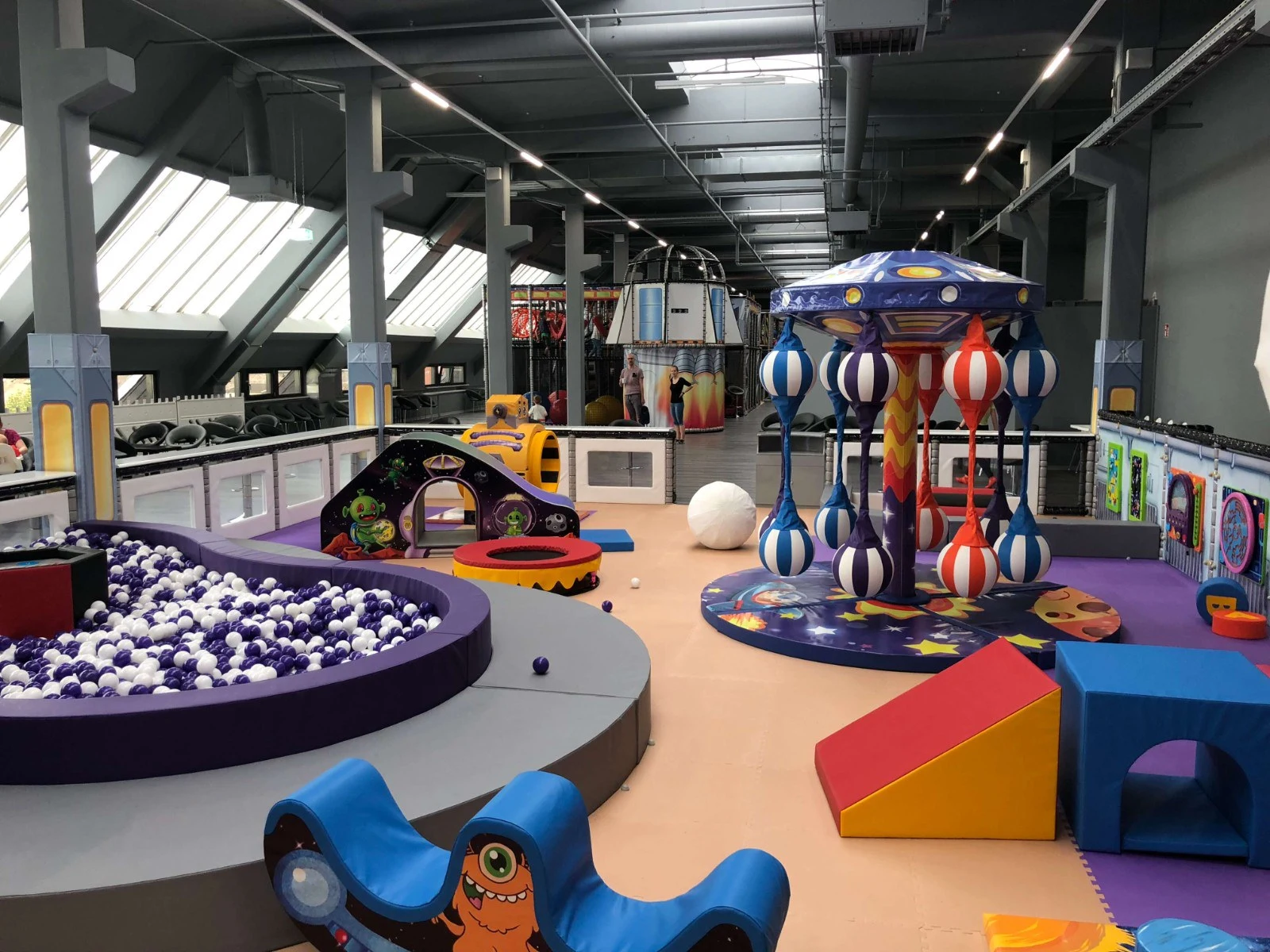
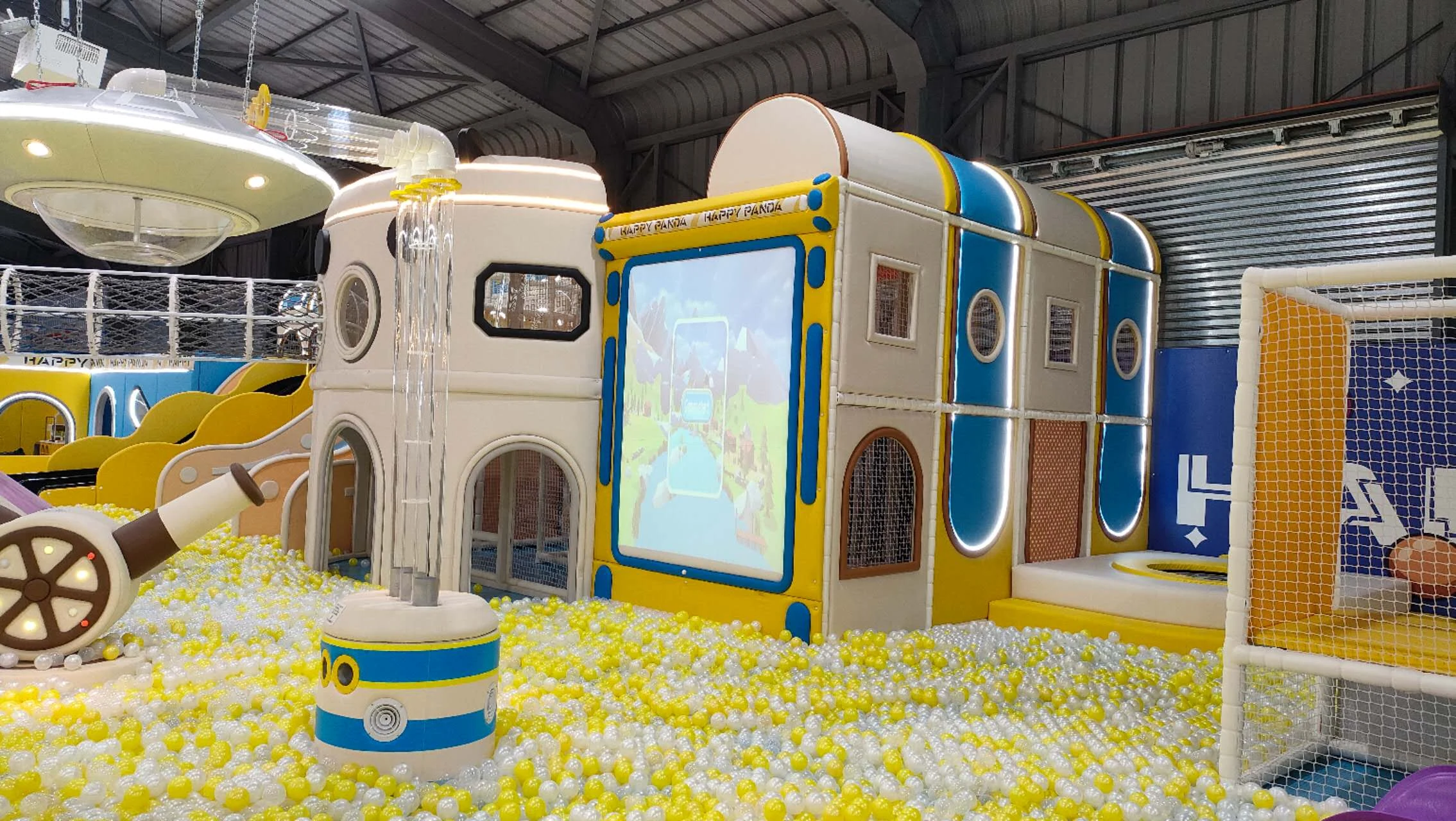
Style:macaron theme Game components:Traffic town, interactive projection ball pool, spiral slide, EPP building blocks, game console Capacity:220-280kids
02 / Product overview
Style:macaron theme Game components:Traffic town, interactive projection ball pool, spiral slide, EPP building blocks, game console Capacity:220-280kids
A family entertainment center, often abbreviated FEC in the entertainment industry[1] also known as an indoor amusement park, family amusement center, family fun center, or simply fun center, is a small amusement park marketed towards families with small children to teenagers, often entirely indoors. They usually cater to "sub-regional markets of larger metropolitan areas."[1] FECs are generally small compared to full-scale amusement parks, with fewer attractions, a lower per-person per-hour cost to consumers than a traditional amusement park, and not usually major tourist attractions, but sustained by an area customer base. Many are locally owned and operated, although there are a number of chains and franchises in the field.[1] Some, operated by non-profit organizations as children's museum or science museums, tend to be geared toward edutainment experiences rather than simply amusement.
FECs are essentially a converged outgrowth of theme restaurants that increasingly developed their in-house amusement features, small-scale amusement parks needing more offerings than just a few rides and midway games, and diversifying formerly one-attraction venues (water parks, skate parks, billiard halls, bowling alleys, and so on). All three categories have moved over several decades continually toward stock, popular entertainment solutions supplied by third-party vendors. Chuck E. Cheese, opened in 1977 as Chuck E. Cheese's Pizza Time Theatre in San Jose, California, was one of the earliest widely known examples of these in the United States.[1]
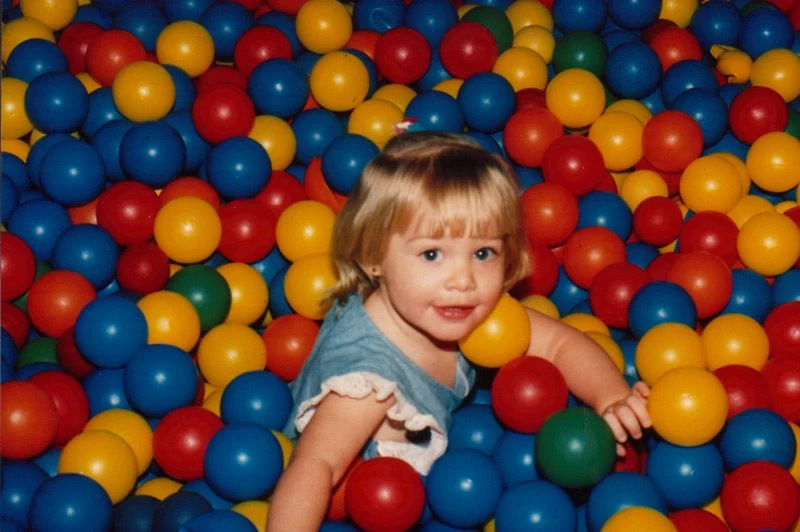
Ball pits are a popular attraction at family fun centers.
Most FECs have at least five common major or "anchor" attractions, to provide diverse patrons (often in large parties) at least one to two hours of entertainment, to encourage repeat visits, and to reduce time spent waiting for any given attraction.[1] Some of the more usual attractions include (depending upon size, climate, etc.):
Amusement/thrill rides (elevated, but generally small-scale)
Animatronics displays
Food: Quality family and group dining in theme restaurant
Kiddie rides (ground-level)
Playground equipment and climbing structures
Redemption games and merchandiser games
Specialty shops (toys, comics, music, etc.)
Multi-tiered climbing structures such as this one are common at family entertainment centers.
The most common anchor activities are miniature golf, kart racing, arcade and redemption games, and food & beverages, according to industry specialists StoneCreek Partners.[1] FECs rarely use custom-built attractions, because of the costs involved, and instead install off-the-shelf systems provided and maintained by industry equipment vendors.[1]
Any given FEC may lean more towards outdoor activities, arcade gaming, or passive entertainment and dining. Each may cater to different age ranges, all the time, or during certain hours, e.g. children and entire families in the daytime, and teens to young adults in the evening, with specific promotional programs to attract different market segments at different times.[1]
FECs tend to serve "sub-regional markets",[1] such as small cities, quadrants or boroughs of larger cities, and a large suburban area outside such a city. Their busiest times are weekend afternoons and Thursday through Saturday evenings.[1]
Because most of the attractions are essentially the same from FEC to FEC,[1] two of the most important factors in a particular center distinguishing itself to potential customers are a highly visible location[1] (hard to obtain because other uses for the land are often more competitive[1]), and a consistently developed and promoted theme that appeals to the target market segments, "the fun factor in the overall decor".[1]
Parental concerns are also important. While children themselves rarely think of it, a major factor in the attractiveness of an FEC to parents is on-site safety and security, as adults may drop off older children at such an establishment to entertain themselves.[1] An increasingly important factor for success is high-quality food and drink to attract parental spending as well as whole-family dining.[1]
Various major media and entertainment brands, including Disney, Lego, NASCAR, Sega, Sony, United Artists/Regal and Viacom, have been attached to family entertainment centers, often much less "traditional" than local and chain FECs, with custom-built, unique attractions, usually heavily branded, and most often located in major metropolitan areas. The first such urban entertainment center (UEC) was the Universal CityWalk in Los Angeles, California, which opened in 1993, linking several Universal properties.[2] Including various retail outlets, restaurants, and attractions, the CityWalk created a great deal of "sustained buzz" in the retail real estate industry, which began "embracing the notion that Universal Studios, Sony, Disney, and other entertainment companies could create new anchors and entertainment programs for shopping centers".[2] Another significant UEC was the Sony Metreon in San Francisco, California (1999–2006).[3]
Some nonprofit, educational installations, such as the Exploratorium in San Francisco, also have aspects of FECs in format and atmosphere, but with activities geared toward learning and experiencing rather than simple entertainment. Some for-profit enterprises also use this model, or mix edutainment with simpler amusement attractions.
Chuck E. Cheese's (U.S.-owned)
Galaxyland at West Edmonton Mall (formerly named Fantasyland)
KidZania (Mexico City, 1999)
America's Incredible Pizza Company (Monterrey, U.S.-owned)
The main national industry group in the U.S. is the National Association of Family Entertainment Centers (NAFEC), which is a division of the International Laser Tag Association (ILTA).
Some U.S.-based companies also have venues in Canada (noted above), but this is rare due to the legal/political difficulties involved in cross-border corporations.
American FECs vary wildly in themes, size and features. Some of the larger businesses in this category have included:[1]
Adventure Landing (Jacksonville Beach, Florida, 1995)
America's Incredible Pizza Company (chain, based in Springfield, Missouri, 2002)
Boomers! Parks (chain)
Brunswick Zone XL (bowling/pool/video game chain)
Castle Park (full amusement park with FEC section, Texas)
Chuck E. Cheese's (chain, based in San Jose, California, 1977)
Dave & Buster's (Dallas, Texas, 1982)
Discovery Zone (Lenexa, Kansas, 1990)
GameWorks (Seattle, Washington, 1997)
Golfland Sunsplash (full waterpark and miniature golf course with FEC section, California and Arizona)
John's Incredible Pizza Co. (1997)
Legoland Discovery Center (Schaumburg, Illinois, 2008)
NASCAR Speedpark (NASCAR racing theme; four U.S. locations)
Peter Piper Pizza (chain)
Regal FunScape (chain; movies, minigolf, video & "VR" games, food court, etc., depending on location)
Round1 (chain, Japan-owned)
Scandia Amusement Park (full amusement park with FEC section, California)
Sky Zone (chain, indoor trampoline park; locations in US and Canada)
Sony Metreon (San Francisco, California, 1999–2006, Japan-owned)
Tilt Studio (chain, an offshoot of the original Tilt arcade chain)
Universal Studios Hollywood (Los Angeles, California, 1993)
Universal Orlando Resort (Orlando, Florida)
uWink (2007)
ZDT's Amusement Park (full amusement park with FEC section, Texas)
Sega Republic (Dubai, United Arab Emirates 2009, Japan-owned but closed down)
Universal CityWalk (part of Universal Studios Japan, Osaka, U.S.-owned)
Recommended applications: Family Entertainment Centers · Shopping Malls & Retail
03 / Play features
Explore the activities in this reference configuration and discuss the right mix for your target ages.
Follow the approach to the slide and enjoy the descent. Keep the landing area clear before the next player takes a turn.
Explore the ball pool through scooping, sorting and finding games. Invite a partner to search for a chosen colour or collect a small group of balls.
Arrange the play blocks into simple patterns or structures. Work together on a shared idea, then rearrange the pieces for a new challenge.
Style:macaron theme Game components:Traffic town, interactive projection ball pool, spiral slide, EPP building blocks, game console Capacity:220-280kids
Style:macaron theme Game components:Traffic town, interactive projection ball pool, spiral slide, EPP building blocks, game console Capacity:220-280kids
04 / Specifications
| Category | Indoor Playgrounds |
|---|---|
| Design Theme | Candy & Macaron |
| Application Venue | Family Entertainment Centers · Shopping Malls & Retail |
| Reference Footprint | 1722.22 ft² |
| Required Clear Height | 3.8–5.5 m |
| Age Range | 1–12 years |
| Features | For Climbing · With Slide · Ball Pool · Role Play · Sensory Play |
| Minimum Age | 3 years |
| Width | 36 ft |
| Height | 14 ft |
| Material | Plastic · Metal |
| Suggested capacity | 220-280kids |
| Installation support | 3D CAD layout, numbered components, video manual, or technician dispatch |
| Customization | 100% custom-engineered to column grids, ceiling heights, and themes |
Reference dimensions describe the equipment. Allow for installation, activity zones and circulation; final requirements follow the approved layout.
05 / Customization options
Every playground is unique. We customize layouts, themes, colors, and play features to match your space, target age group, and budget.
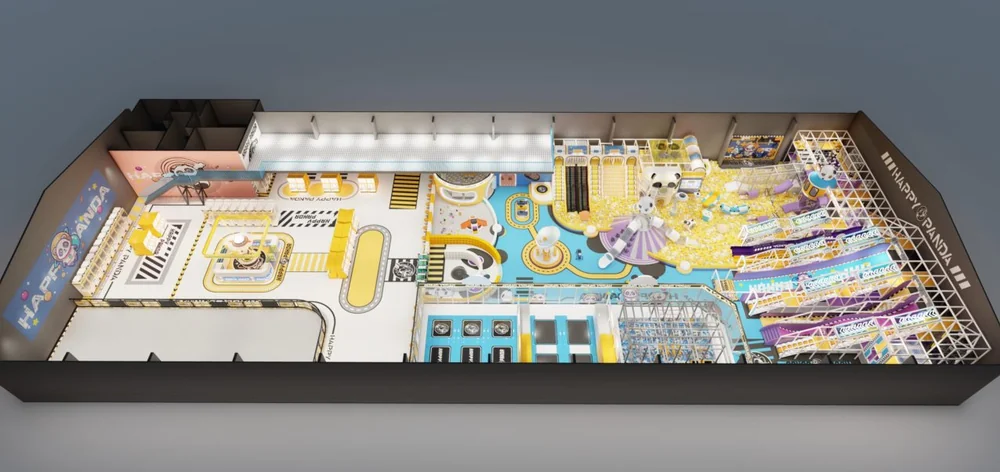
Adapt the footprint, deck heights, columns and entrances to the measured venue.
Review palettes, graphics and brand elements alongside the layout.
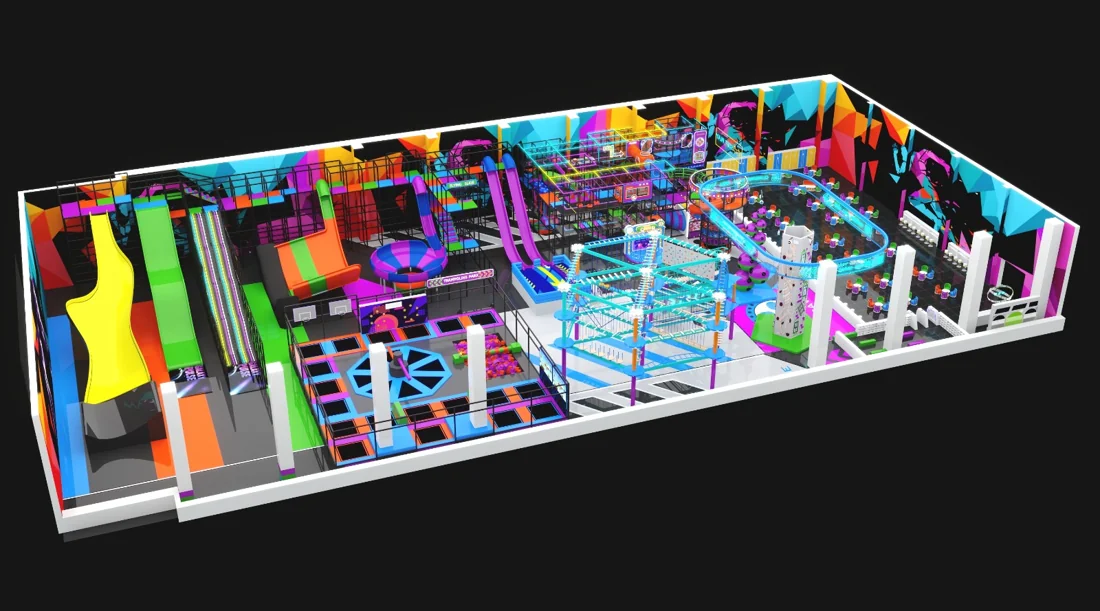
Choose the activity mix for your target ages, capacity and operating plan.
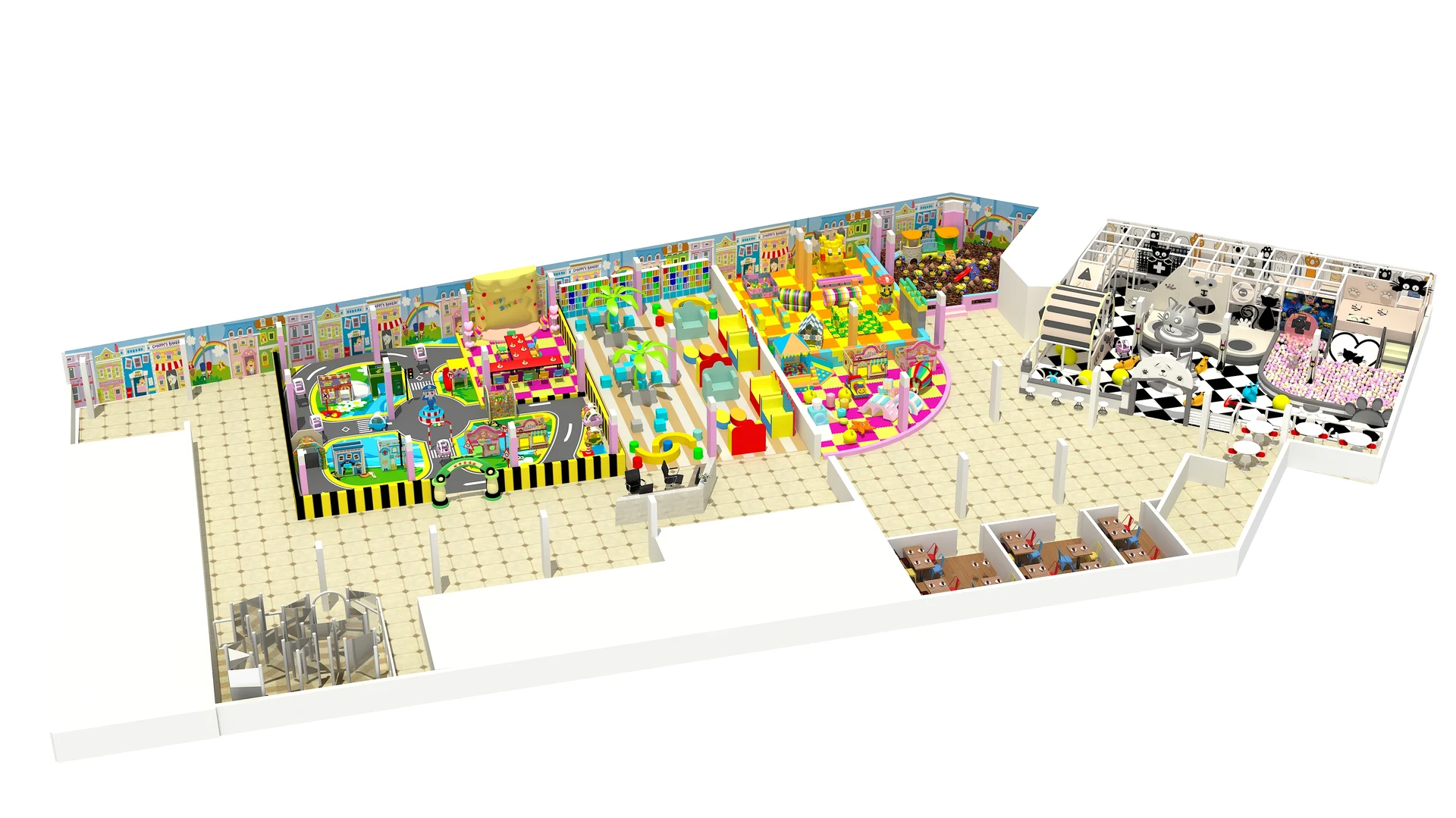
Compare module counts, finishes and delivery scope against your budget range.
06 / Design & manufacturing
One team takes your project from floor plan to handover.
Floor plan, clear height, columns and target ages.
Zoning and renders checked against international safety standards.
Galvanized steel built in our Wenzhou workshop, trial-assembled before shipping.
Export crating, numbered parts, CAD guides and on-site or remote support.
07 / Real-World Installations
Explore real-world playground installations delivered and operating in family entertainment centers, shopping malls, and adventure parks worldwide.
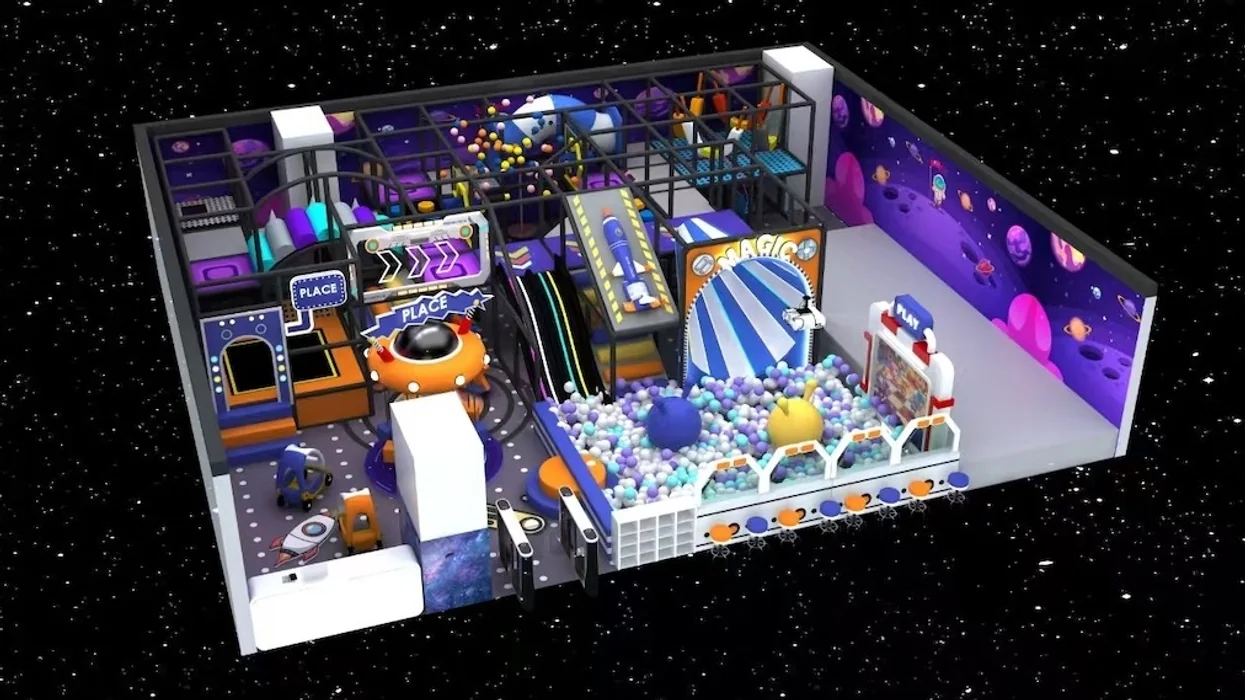
Shopping mall indoor play zone layout study for Bohol, Philippines coordinated around existing column grids, spiral slides and ball pool zones.
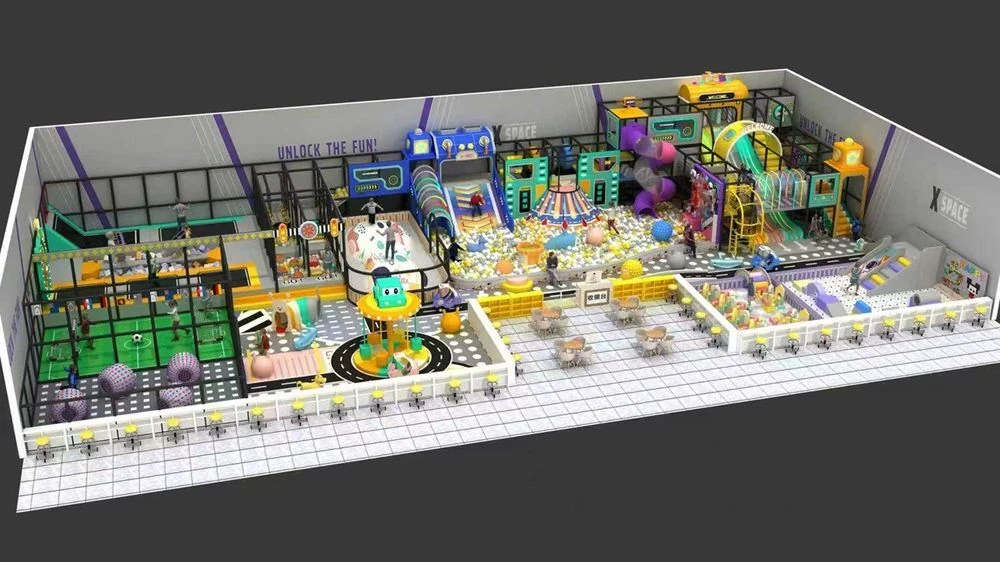
Indoor active recreation and trampoline venue layout in Melbourne combining interconnected jump courts, angled walls and padded walkways.
 Chile
Multi-zone shopping mall family entertainment center in Santiago, Chile combining a multi-level soft play structure, jump courts and feature slides.
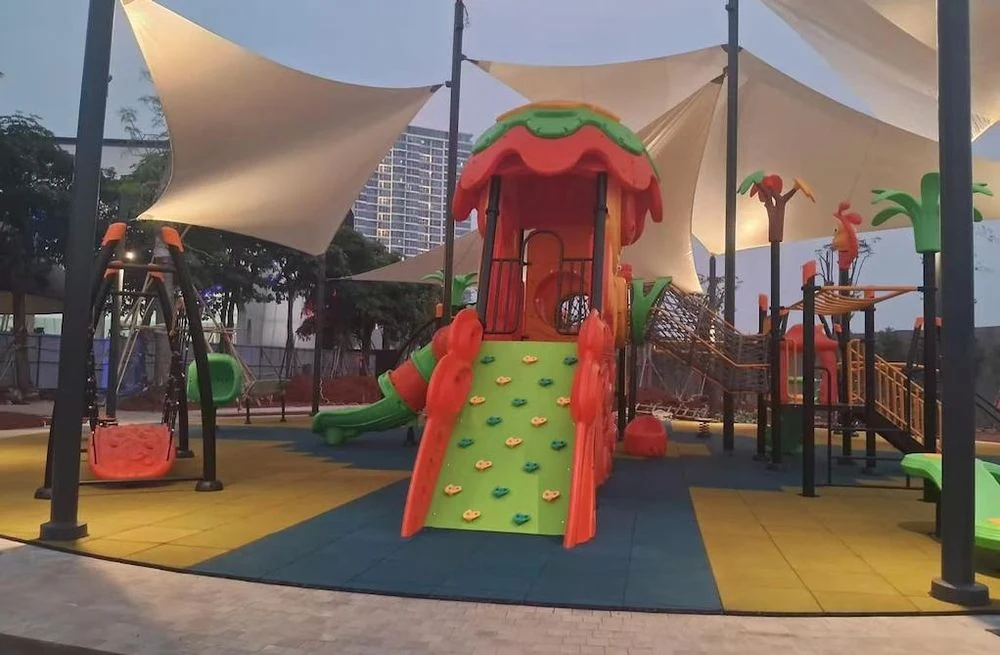
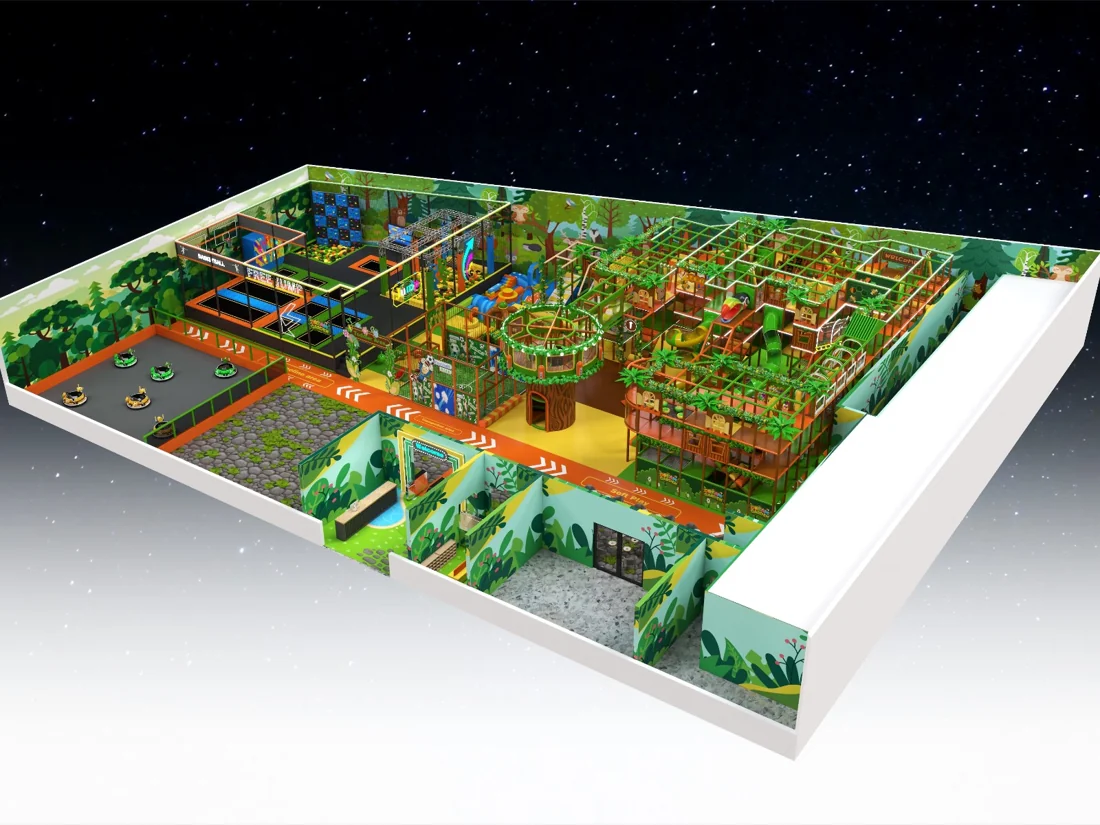
Forest-themed indoor play space in Jakarta featuring wood-tone theming, climbing routes and multi-age soft play zones.
08 / FAQs & Project Inquiry
Have questions about venue fit, customization, certifications, or delivery? Review common answers or submit your floor plan for an engineering review and itemized quote.
Need immediate engineering advice?WhatsApp ConsultationEmail Us

Share your venue dimensions, target ages and budget so we can review a layout and quotation within 24 hours.
We respect your privacy. Your information will only be used for project communication.
Send a measured floor plan showing entrances, columns and the lowest ceiling obstructions. Equipment dimensions alone do not include every circulation route, slide exit or supervision area; these need to be checked in the proposed layout.
Discuss the available play modules, colors and theme with our design team. Confirm which elements belong to this configuration and which are optional, then review any changes against the usable floor area and ceiling clearance.
Tell us the intended age groups and whether toddlers need a separate area. The activity mix, access points and supervision plan should suit those users; a mixed-age venue may need more than one play zone.
Please reference indoor play area equipment for sale in your enquiry and send the project location, quantities, site measurements and preferred configuration. Include your opening target and any installation requirements. Ask for an itemized quotation that identifies the equipment, freight, installation and any locally supplied work.
Ask for the specification, material information, installation instructions and relevant test reports for the selected configuration. Identify the destination market during the enquiry so the equipment documentation and local review requirements can be agreed.
Confirm the schedule after the configuration, drawings and order scope are agreed. Ask which assembly documents and remote support are included, and whether on-site assistance is available for your destination. The order should also identify spare-part support, the applicable warranty and the responsibilities for freight, local work and ongoing maintenance.
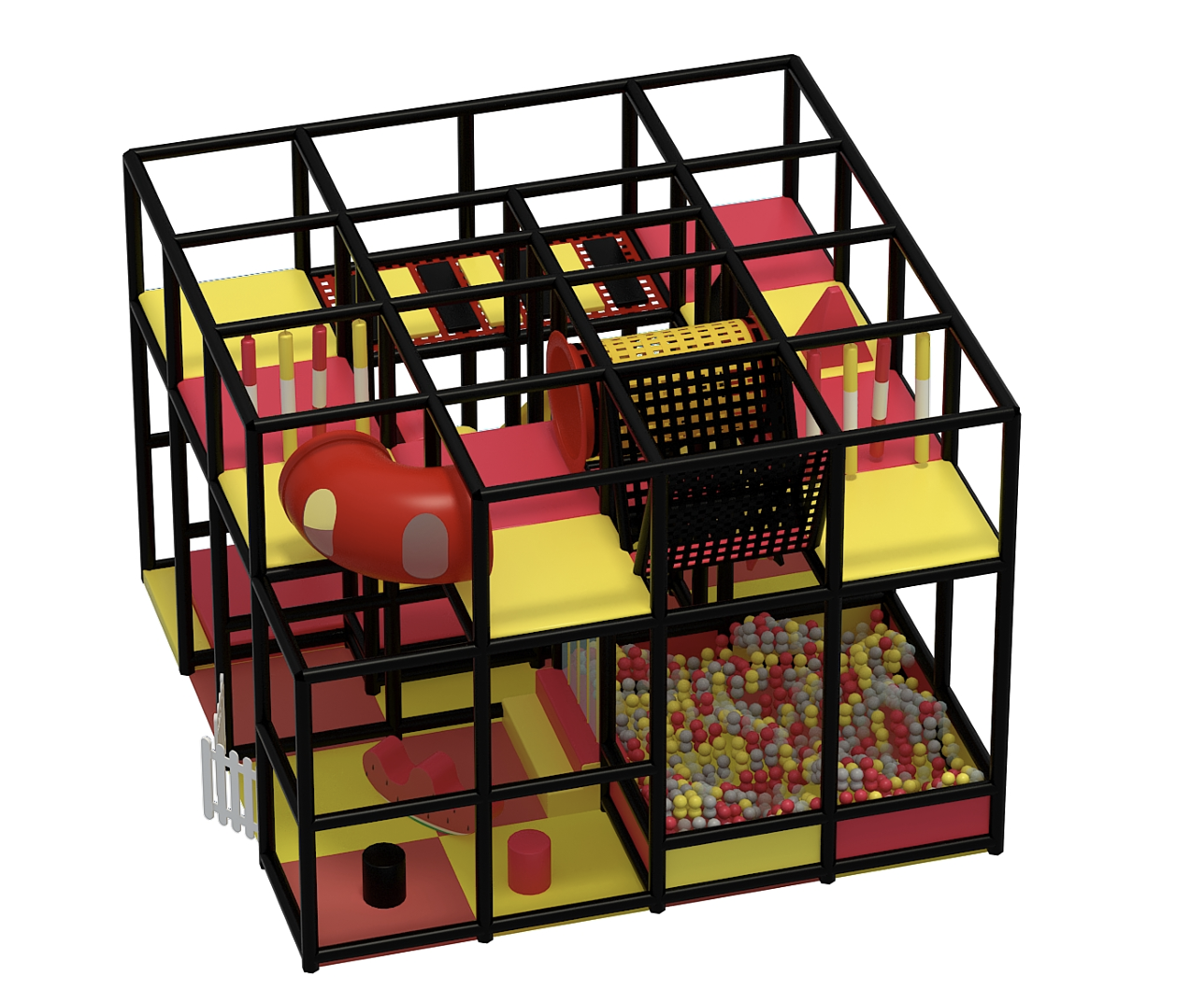
2 Level Adventure Cube Playground by Dream Garden: A high-density modular indoor play structure featuring double racing slides, crawl pods, climbing nets, and a giant ocean ball pit with safe toddler zoning. Sized under 1,000 sq.ft., ASTM & EN 1176 compliant, 18-month warranty.
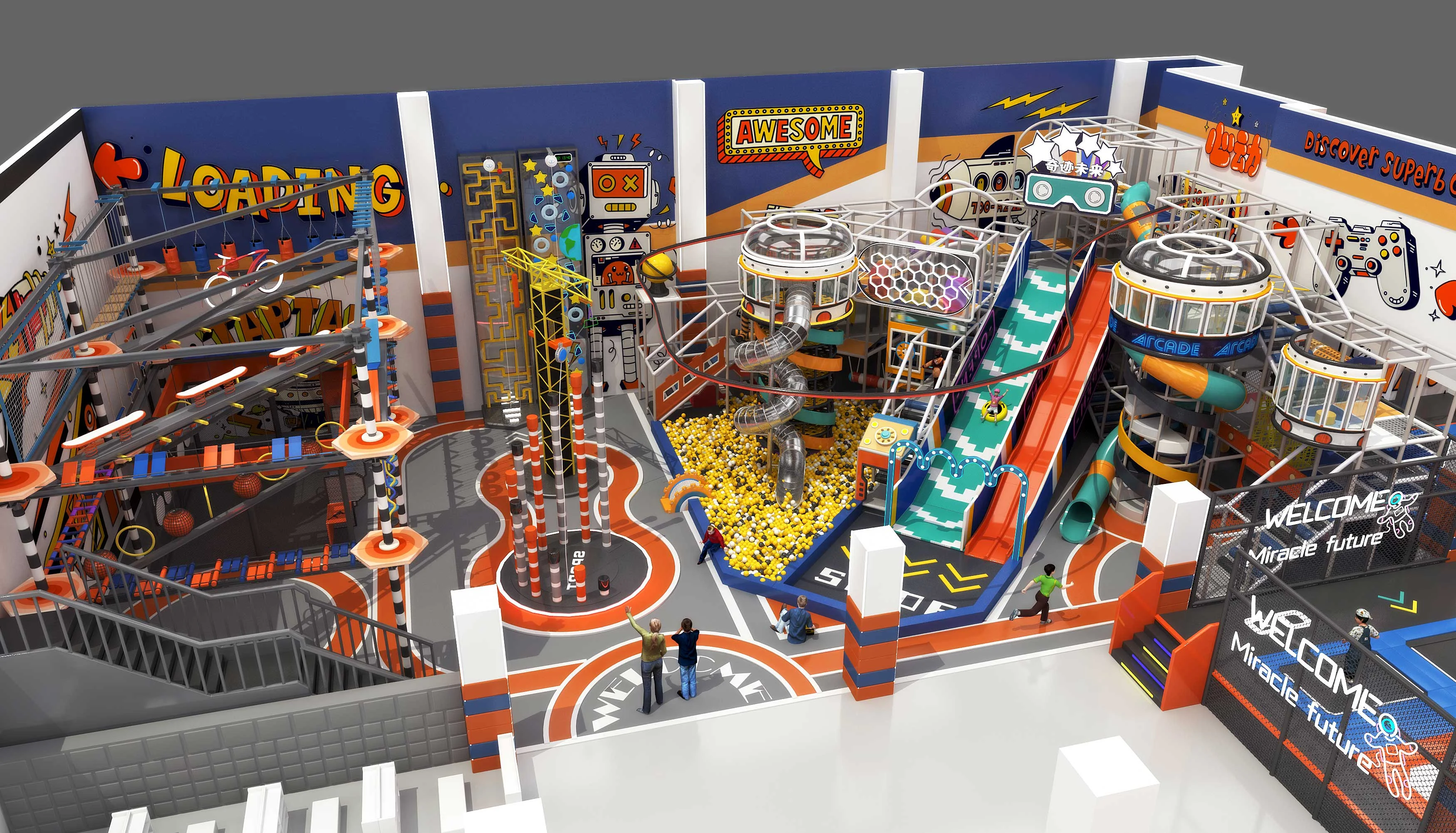
Transform your indoor space into a next-generation family entertainment center with this action-packed, tech-inspired design. With futuristic architecture, vibrant visuals, and highly interactive components, this attraction is perfect for shopping malls, indoor theme parks, and commercial leisure zones.
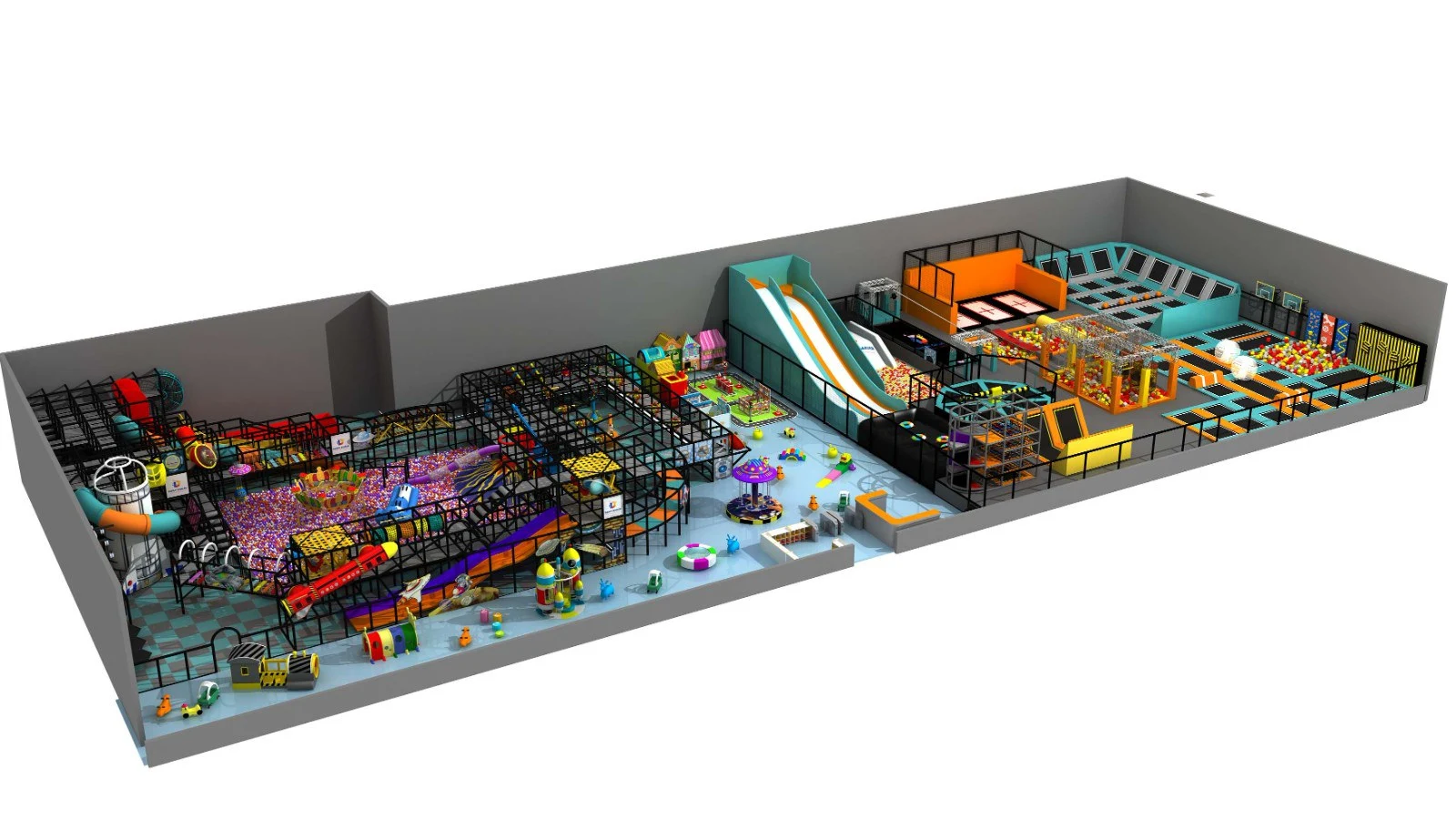
Our Commercial Kids Indoor Playground is the Perfect Place for your Family, We provide unique design and affortable price. Our indoor playgrounds are clean, safe, and secure.Perfect for kids to run, climb, and explore
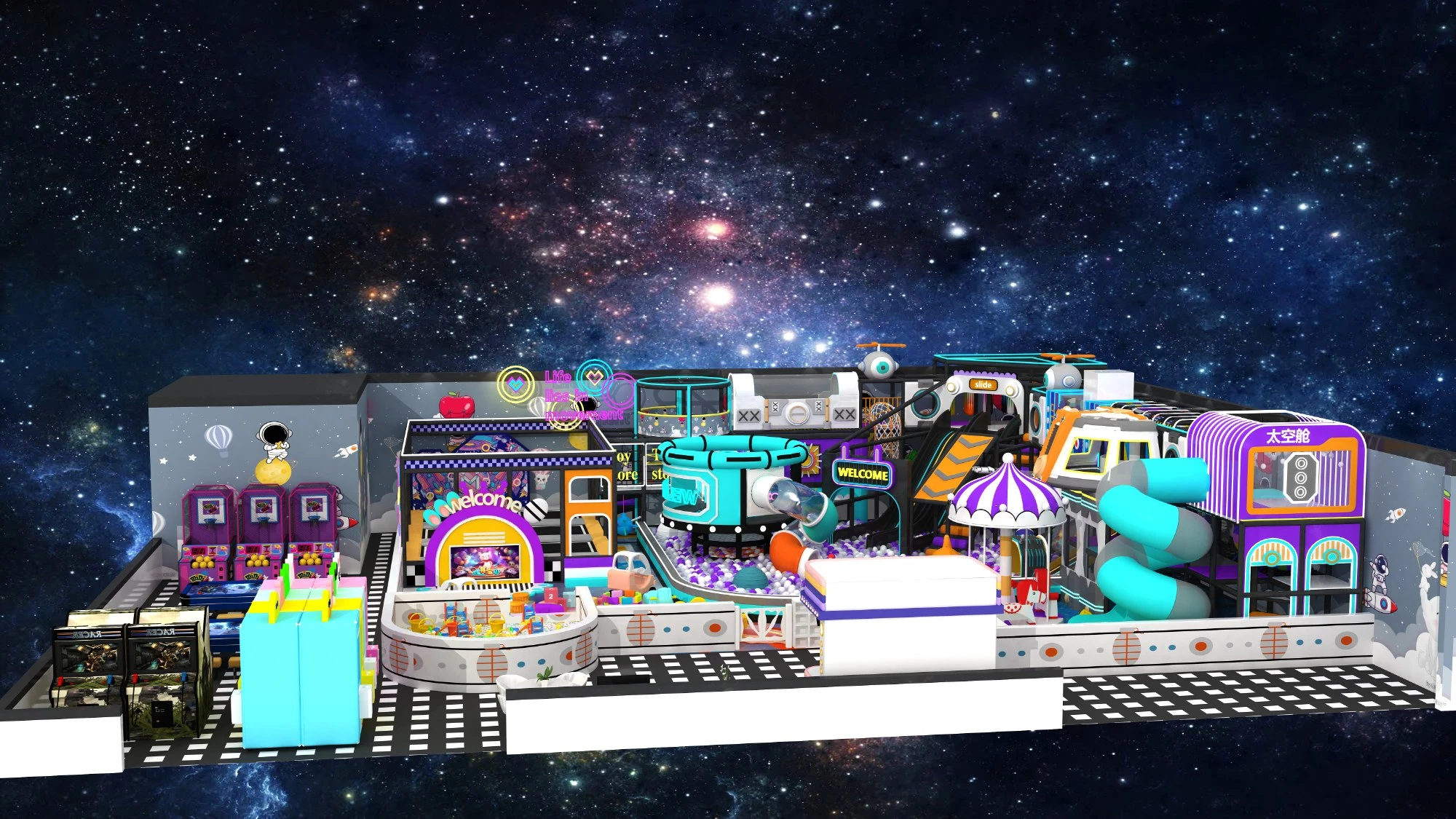
Checking more details at toymakerinchina.com