
The Commodity Trap: Why "Price Per Square Meter" Is a Deceptive Metric
When prospective operators begin researching indoor playground manufacturers, the most common inquiry sent to suppliers is: "What is your price per square meter?" In professional B2B playground procurement, this question is a red flag that reveals a fundamental misunderstanding of play equipment engineering.
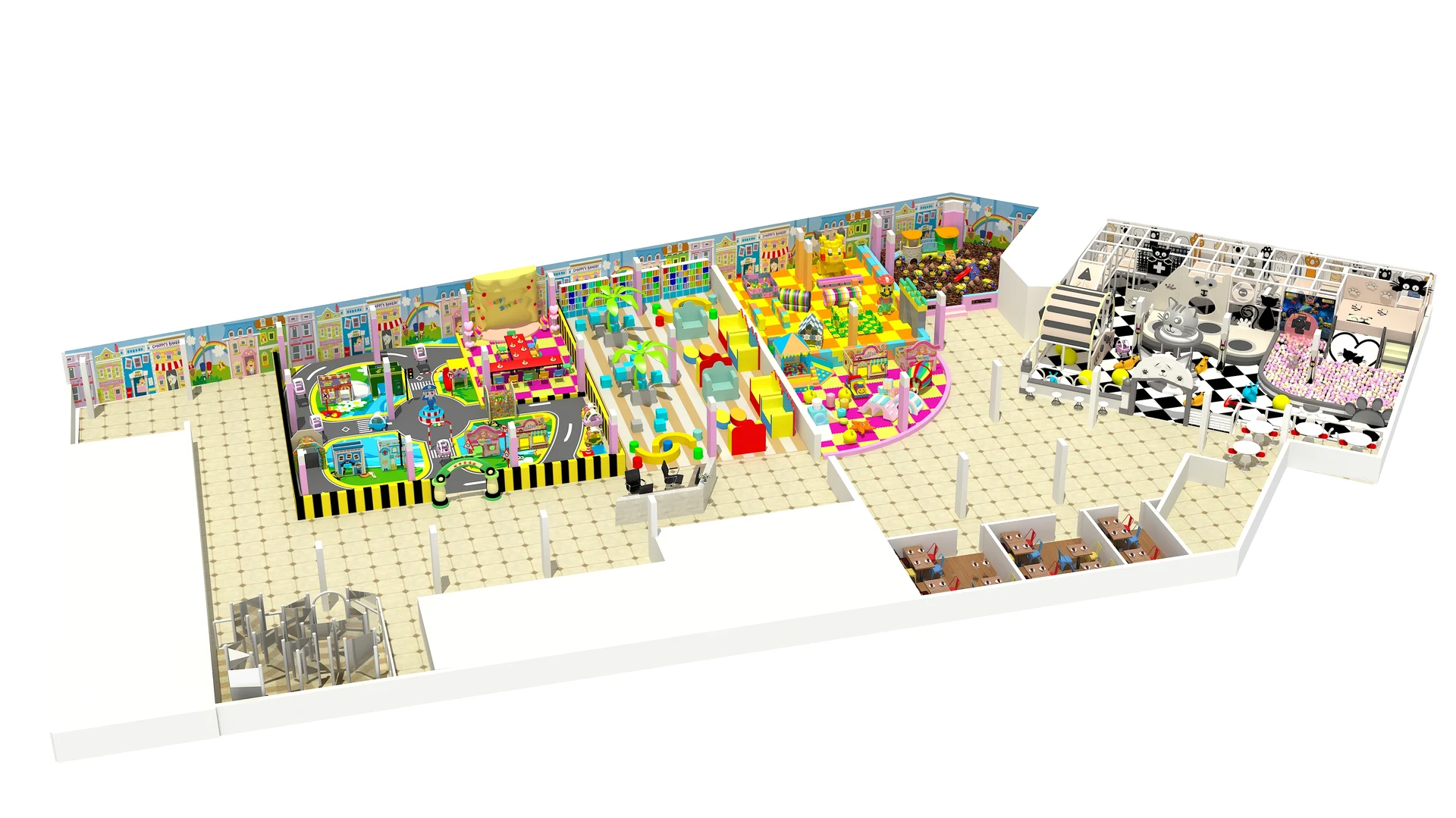
Unlike raw tiles or drywall, playground equipment pricing varies wildly based on activity density, vertical height, structural complexity, and safety specifications. A 500 m² open space filled with simple foam blocks and low-density netting might cost $120/m², but will fail to generate repeat visits after three weeks. Conversely, an engineered 500 m² venue featuring high-drop stainless slides, interactive ninja courses, and multi-tier crawl labyrinths at $280/m² will drive sustained repeat business and deliver full payback within months.
Trading Middlemen vs. Direct Source Manufacturers: How to Audit Your Partner
A significant hazard in international procurement is unwittingly partnering with an unlicensed trading intermediary posing as a factory on international B2B marketplaces. Middlemen introduce fatal project vulnerabilities: 25% to 40% added cost markups, delayed technical communication, zero engineering liability, and complete disappearance when on-site installation issues arise.
To verify that you are negotiating directly with a genuine manufacturing factory, conduct four critical audit steps:
- Request Live Video Walkthroughs of the Factory Floor: Ask to see their CNC laser tube cutting bay, PVC sewing workshop, and current pre-assembly staging hangar.
- Verify Business Licenses & Land Ownership: Legitimate manufacturers hold verified industrial land usage rights and industrial factory registration documents.
- Check Third-Party Test Certificates: Certificates must name the manufacturer directly as the certificate holder—not a generic trading intermediary.
- Ask for Recent Global Client References: Request contact details or unedited installation videos from clients in your continent or region.
Material Specifications: Commercial Longevity vs. Rapid Deterioration
Low-cost suppliers achieve cheap initial pricing by substituting inferior materials that begin degrading within 6 to 12 months of high-traffic commercial use:
- PVC Upholstery: Premium commercial venues require 0.55mm thick, 840D high-density PVC vinyl with antimicrobial and UV coatings. Sub-standard suppliers use 0.35mm domestic vinyl that cracks, peels, and exposes foam within months.
- Safety Netting: Dream Garden utilizes 40mm x 40mm high-strength knotted nylon netting with reinforced border ropes that withstand 1,800 N impact forces. Inferior polypropylene knotless netting sags and stretches, creating finger-entrapment hazards.
- Structural Steel: Hot-dip galvanized steel tubing with minimum 2.5mm wall thickness vs. cheap 1.5mm cold-rolled steel that bends under dynamic load.
Seven Mandatory Questions to Ask Before Signing Any Purchase Contract
Prior to transferring your initial equipment deposit, insist on written contractual commitments covering these key operational items: